Day Porter vs. Nightly Cleaning: Which Does Your Facility Need?
Quick Answer: A day porter works on-site during business hours, handling restroom checks, spill response, and lobby upkeep in real time as people move through the building. Nightly cleaning happens after the doors lock, when a crew resets the whole facility, floors, restrooms, trash, and surfaces, without anyone underfoot. High-traffic buildings with steady visitors, multiple restrooms, or public-facing lobbies usually need a day porter added to nightly service, while smaller, lower-traffic offices can often run on nightly cleaning alone. Many facilities land on a hybrid of both.
It is 11 a.m. on a Tuesday and the lobby restroom has already been used forty times. The trash by the front entrance is starting to overflow, someone spilled coffee near the stairwell an hour ago, and a client is due in the conference room at noon. The nightly crew did their job last night, floors mopped, restrooms restocked, trash emptied, but none of that touches what happens between 9 a.m. and 5 p.m. while the building is full of people.
That gap is exactly what the day porter versus nightly cleaning question is really about. They are not competing versions of the same service. They are two different jobs, running on two different clocks.
But most facility managers only need one of them, at least at first. Traffic, complaints, or a public-facing lobby are usually what eventually make the case for adding the other.
What a Day Porter Actually Does On-Site
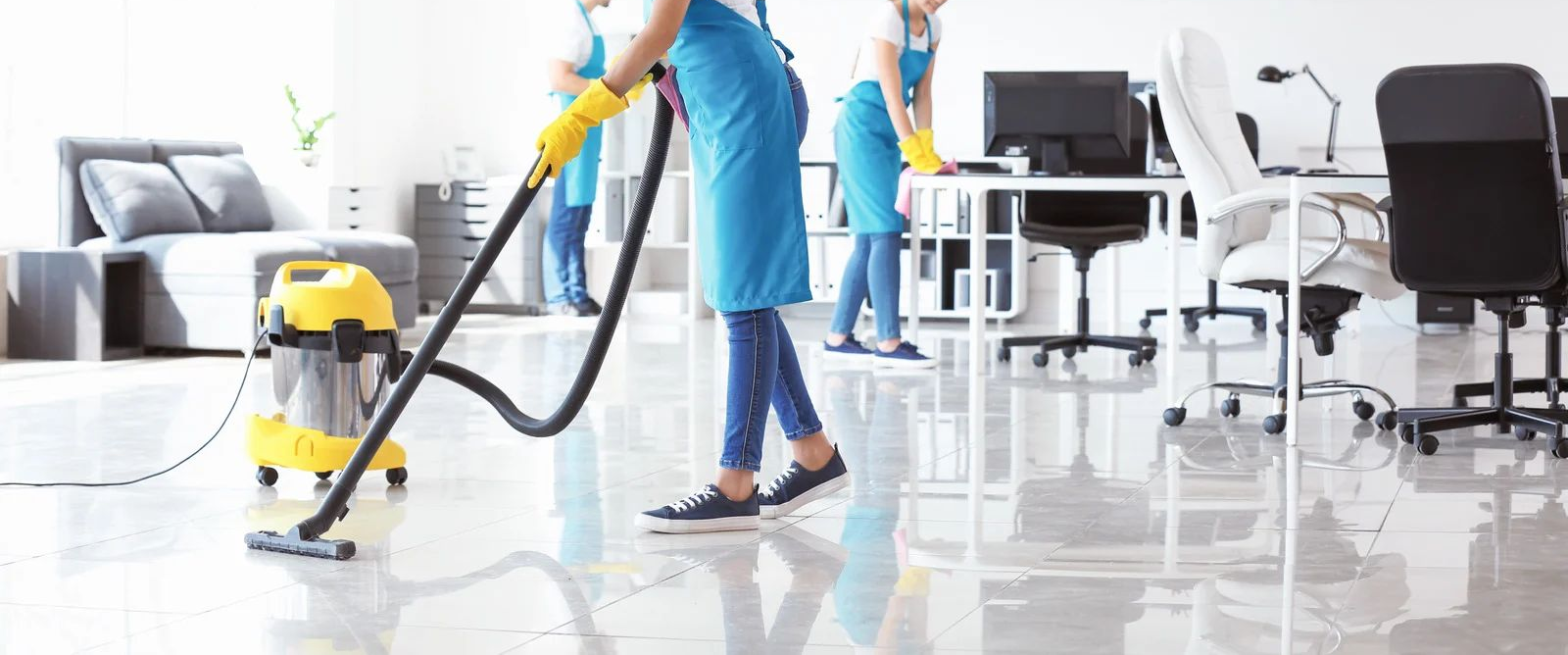
A day porter is a cleaning professional stationed at your facility during business hours, moving through the building continuously rather than following a fixed overnight checklist.
Restroom rotation is the core of the role
Instead of one deep clean at night and hoping it holds until morning, a day porter checks restrooms on a set rotation, often every hour or two, restocking paper and soap, wiping down fixtures, and catching odor or mess problems before a visitor does.
Spill and incident response happens in real time
A dropped coffee near the stairwell, tracked-in mud after a rainstorm, a spill in the breakroom, a day porter addresses it within minutes instead of leaving it as a slip hazard until the next scheduled visit.
Lobby and entryway upkeep stays continuous
Glass doors, reception desks, entry mats, and waiting areas get wiped, straightened, and reset throughout the day so the first impression a visitor gets at 4 p.m. looks the same as it did at 8 a.m.
Conference room and breakroom resets happen between uses
Tables get cleared and wiped after meetings, dishes and counters get handled in shared kitchens, and common areas stay usable instead of accumulating mess as the day goes on.
The defining trait of day porter service is presence. Someone is visibly maintaining the space while it is occupied, and that visibility is a large part of what makes a building feel well-run to the people walking through it.
What Nightly Cleaning Covers After Hours
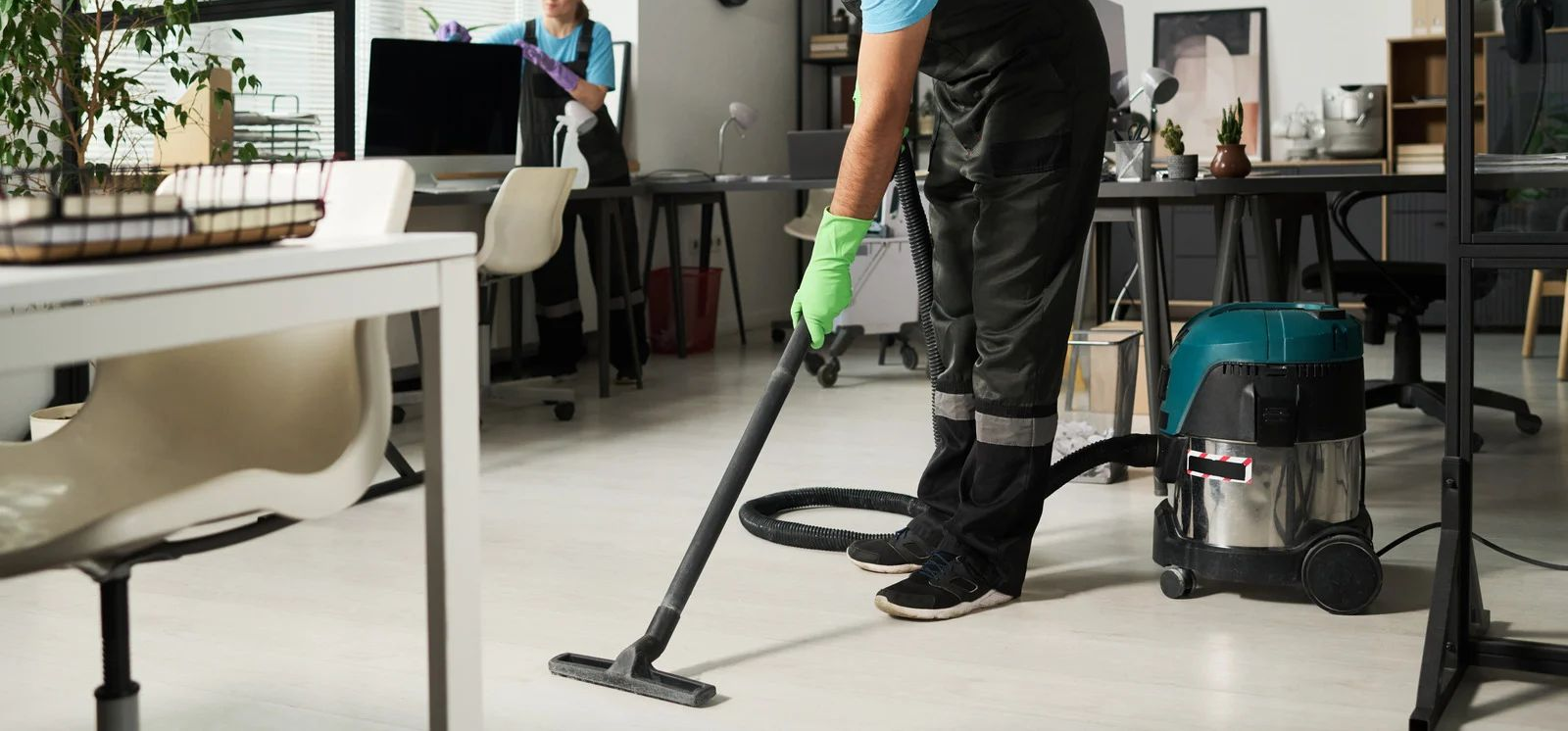
Nightly cleaning is the service most people picture when they think of commercial cleaning: a crew arrives after the last person leaves and works through the entire facility while it is empty.
Full-floor work happens without interruption
Vacuuming every carpeted area, mopping the whole hard-floor footprint, and running floor equipment like auto-scrubbers or burnishers all require open space and quiet, which is exactly what an empty building at night provides.
Restroom deep sanitation resets the whole space
Beyond the mid-day rotation a day porter handles, a nightly visit disinfects fixtures, mops the floor, and restocks supplies so the space starts the next morning at a true baseline.
Trash, surfaces, and high-touch points get a complete pass
Every office, workstation, and common area gets emptied and wiped, not just the areas people notice during the day.
The work stays out of sight and off the clock
Because nothing is happening while people are working, there is no disruption, no closed restroom during a meeting, no vacuum running past a client call, and crews can use louder equipment freely.
Nightly cleaning is thorough and systematic by design. It is built to reset the facility once a day, not to respond to what happens in between.
TIP: If you are trying to decide where to start, track restroom complaints and visible mess for two weeks before changing anything. A pattern of afternoon complaints almost always points to a coverage gap during business hours, not a failure of the nightly crew.
Which Facilities Lean Toward Adding a Day Porter
Traffic volume, not square footage, is what usually pushes a building toward day porter coverage.
Steady visitor flow changes the math
Office buildings with frequent client meetings, medical and dental offices, gyms, and multi-tenant properties with shared lobbies all see restrooms and common areas used dozens or hundreds of times a day, far more than a nightly reset can hold up against on its own.
Restroom count and complaint frequency are a practical signal
A facility with more than four or five restrooms, or one where restroom complaints keep surfacing, generally benefits from the hourly-rotation model a day porter provides over relying on a once-a-day visit.
Industry expectations raise the bar for some spaces
Medical offices have patient-facing appearance standards that extend through the whole clinic day, and gyms deal with sweat, moisture, and heavy equipment traffic that a single overnight pass cannot keep ahead of during peak hours.
Public entryways and lobbies benefit from continuous attention
In this climate, the entryway is where the case for a day porter often gets made without anyone framing it that way: someone needs to be checking mats, wiping down tracked-in grit, and managing the floor through a full business day, not just once after closing.
When Nightly-Only Coverage Is Enough
Plenty of facilities do not need a day porter, and adding one is extra cost without extra benefit if the traffic does not justify it.
Lower-traffic, single-tenant spaces hold up fine on a nightly schedule
A quiet suite of private offices where employees mostly stay at their desks, with one or two restrooms and minimal visitor traffic, rarely generates enough daytime wear to need on-site coverage.
Non-customer-facing operations can run lean
Warehouses, back-office spaces, and facilities where the public never enters generally do not benefit from a visible daytime presence, since there is no visitor experience to protect during business hours.
Budget-conscious operations can reserve day porter coverage for peak periods
Some facilities add a porter only around specific events, seasonal traffic spikes, or a known busy stretch, rather than carrying the cost year-round.
The honest test is whether restrooms, entryways, or common areas are visibly declining by mid-afternoon on a normal day. If they are not, nightly cleaning alone is likely doing its job.
WARNING: Do not assume a day porter is the fix for a nightly crew that is underperforming. If floors are still dull, restrooms still smell by 9 a.m., or trash is not fully emptied, that is a scope or quality problem with the overnight service itself, and adding daytime coverage on top of it just doubles the spend without solving the actual issue.
The Hybrid Approach Most Twin Cities Facilities Land On
A meaningful share of facility managers end up running both services together, and in this region the winter season is often what tips the decision.
Daytime and nightly service cover different failure points
A day porter catches what happens while the building is occupied; nightly cleaning resets the whole space once it empties out. Running both means neither one is stretched to cover a job it was not built for.
Entryway management is where the hybrid model earns its keep locally
From the first freeze through spring thaw, salt, sand, and slush get tracked across lobbies and hallways all day long, not just once overnight. A day porter managing mats and spot-mopping entry paths during business hours, backed by a nightly crew doing full floor care after close, keeps salt residue from sitting on the finish long enough to etch or dull it.
Healthcare and multi-tenant buildings are common hybrid candidates
A medical office might need continuous restroom and exam-area attention during clinic hours alongside thorough nightly disinfection of exam rooms, while a multi-tenant building often puts common areas on day porter coverage and leaves individual suites to the nightly crew.
The added cost should track a measurable gap, not a general sense of wanting more
Hybrid coverage makes sense when there is a specific, repeated problem, afternoon restroom complaints, a lobby that looks worn by 3 p.m., winter entryways that never seem to dry, that daytime presence would solve and nightly cleaning structurally cannot.
How to Decide for Your Facility
Working through a short set of questions usually makes the answer clear.
How many people move through the building on a typical day?
Higher headcounts and visitor counts favor adding a day porter; lower traffic favors nightly-only coverage.
How many restrooms are in service, and how often do complaints come up?
More restrooms and recurring complaints point toward daytime rotation.
Does the space host meetings, patients, members, or the public during the day?
Client-facing and public-facing operations generally need the visible upkeep a day porter provides.
Is the current nightly service actually meeting its scope, or falling short?
Fix a quality gap in the overnight service before adding daytime coverage on top of it.
Does the season change the picture?
A building that is fine on nightly-only coverage in July can develop a real winter gap once salt and slush start moving through the entryway every day.
Frequently Asked Questions
What is the main difference between a day porter and nightly cleaning?
A day porter handles cleaning needs during business hours, including spills, restrooms, and common areas. Nightly cleaning occurs after closing, thoroughly resetting floors, restrooms, surfaces, and trash for tomorrow.
Does my office need a day porter, or is nightly cleaning enough?
Offices with frequent visitors, multiple restrooms, and busy common areas often benefit from day porter service. Smaller offices with limited traffic and fewer shared spaces can usually rely on nightly cleaning.
Can a day porter replace nightly cleaning entirely?
A day porter typically cannot replace nightly cleaning because daytime service focuses on ongoing upkeep. Nightly crews perform deeper floor care, restroom sanitation, trash removal, and complete facility cleaning after closing.
How often does a day porter check restrooms?
Restroom schedules depend on facility traffic, but checks may occur every hour or two. Busy medical offices, public facilities, and high-traffic buildings often require more frequent inspections and restocking throughout daytime.
Do Minnesota winters change the day porter vs. nightly cleaning decision?
Minnesota winters can increase daytime cleaning needs as visitors track salt, sand, snow, and slush indoors. Day porters help maintain entryways and floors between nightly cleanings during periods of winter weather.
What is a hybrid cleaning model?
A hybrid cleaning model combines daytime porter service with nightly cleaning. Porters handle immediate upkeep during operating hours, while nightly crews provide thorough cleaning, sanitation, floor care, and facility resets afterward.
Matching Cleaning Coverage to Your Facility’s Needs
Choosing between day porter and nightly cleaning comes down to when your facility experiences its heaviest use. A quieter office may stay clean and comfortable with a thorough nightly reset, while busy lobbies, shared restrooms, and customer-facing spaces often require attention throughout the day. The right schedule should reflect actual traffic, recurring problem areas, seasonal conditions, and the level of cleanliness employees and visitors expect whenever they enter the building.
For facilities in Coon Rapids, MN, those needs can also shift as winter weather increases tracked-in salt, sand, moisture, and debris. With 7
years of experience, NVM Facility Services
understands how daytime upkeep and after-hours cleaning can complement each other without creating unnecessary overlap. Evaluating restroom use, entryway conditions, visitor volume, and afternoon cleanliness makes it easier to establish practical coverage that keeps the facility consistently maintained from the beginning of the workday through closing.