How Often Should an Office Be Cleaned vs Deep-Cleaned? A Facility Manager's Cadence Guide
Quick Answer: Most offices need routine cleaning daily to a few times a week for trash, restrooms, high-touch surfaces, and high-traffic floors, plus a deep clean roughly every three to twelve months depending on foot traffic. Routine cleaning keeps the space presentable between visits; deep cleaning resets the buildup that daily work never reaches, such as carpet extraction, hard-floor refinishing, edge detailing, and behind-the-furniture soil. The right split depends on your size, headcount, visitor volume, and season.
You walk the floor at 7 a.m., coffee in hand, and the space looks fine at a glance. Then the low winter sun cuts across the lobby and you see it: a gray traffic lane worn into the carpet, a dull haze on the tile near the entrance, and a film on the conference table that the nightly wipe-down keeps missing. The crew was in last night. So why does the office already look tired?
The answer is almost always the same. Routine cleaning and deep cleaning are two different jobs on two different clocks, and most tired-looking offices are getting plenty of one and not nearly enough of the other. If you have ever wondered how often an office should be cleaned versus deep-cleaned, the useful way to think about it is as two overlapping schedules that do separate work. Get the cadence right and the space holds up. Get it wrong and no amount of nightly effort will keep the buildup from showing.
What Routine Cleaning and Deep Cleaning Actually Mean
Before you can set a frequency, you have to be clear on what each type of cleaning covers, because they are not the same task done more or less often.
Routine cleaning is maintenance
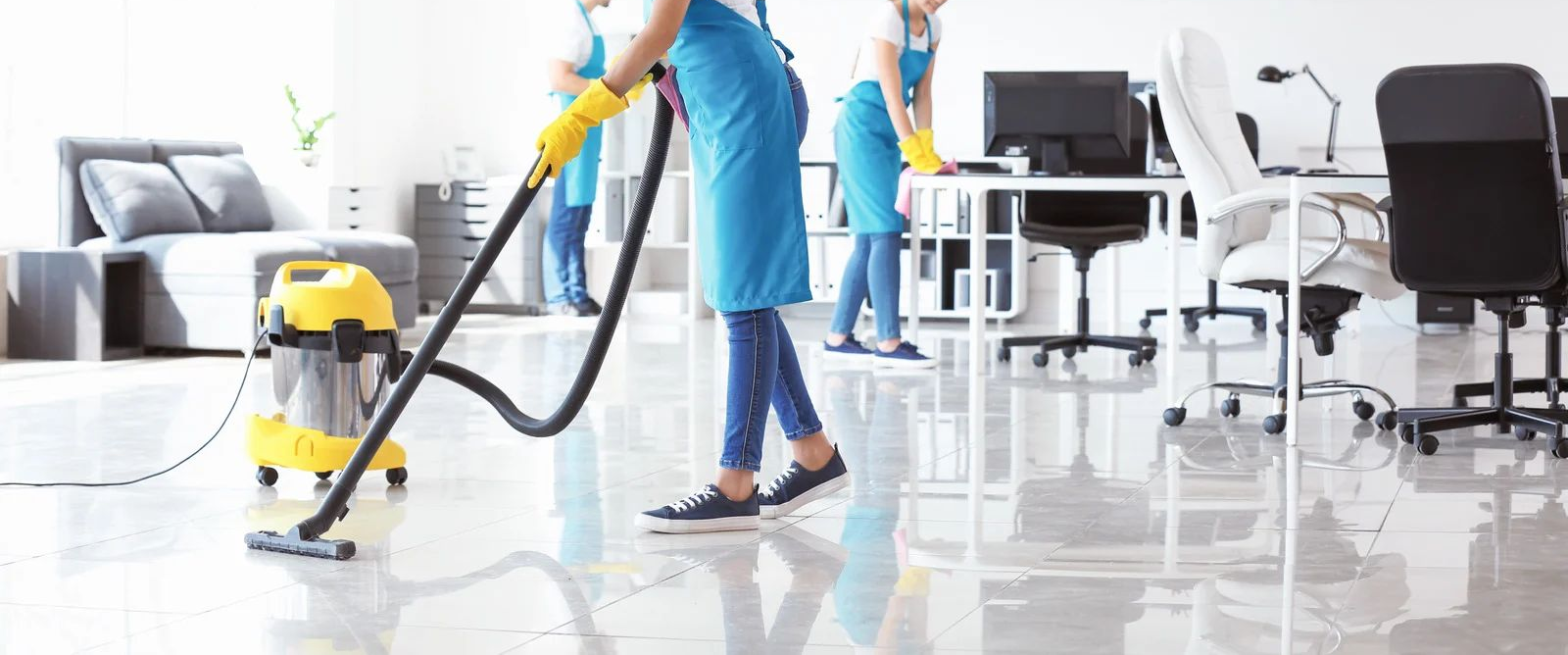
Routine cleaning keeps a workplace consistently clean through scheduled tasks like trash removal, restroom sanitation, vacuuming, dusting, mopping, and disinfecting high-touch surfaces. It maintains appearance, cleanliness, and hygiene each day but focuses mainly on visible surfaces rather than removing deeply embedded dirt and buildup.
Deep cleaning is a reset
Deep cleaning restores areas beyond routine maintenance by extracting carpet soil, scrubbing hard floors, detailing edges and baseboards, cleaning behind furniture, removing mineral buildup, and reaching overlooked spaces. Performed periodically, it eliminates accumulated dirt and helps extend the life of flooring and interior finishes.
The reason the distinction matters is simple: you cannot solve a deep-cleaning gap by cleaning more often at the surface level, and you cannot solve a routine gap with a quarterly deep clean. Each schedule covers what the other cannot.
The Daily and Weekly Cadence Most Offices Need
Routine cleaning frequency is driven less by square footage and more by how many people move through the space and how visible it is to visitors. Here is how to think about the baseline.
High-traffic and public zones run on the tightest clock
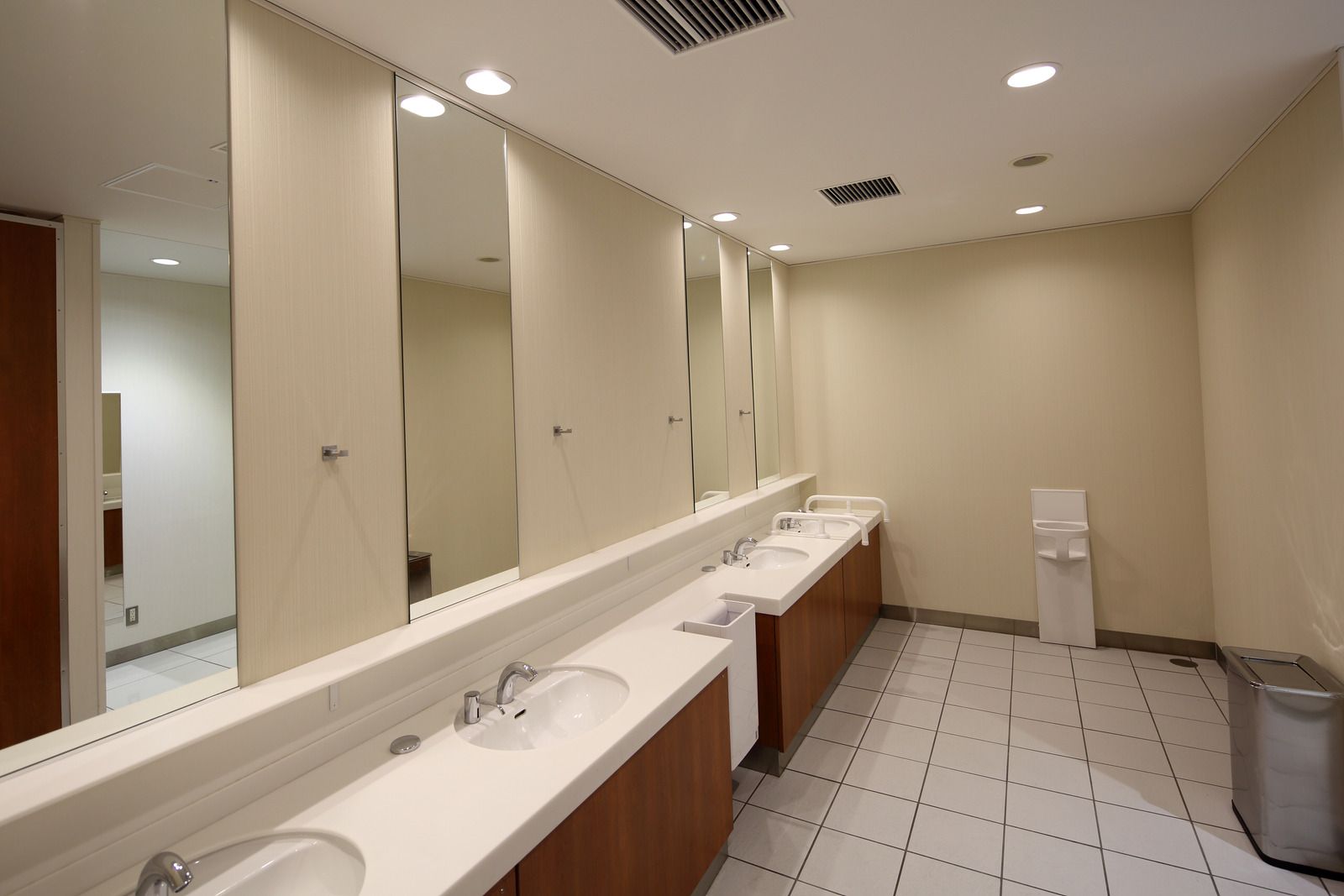
Entrances, lobbies, restrooms, reception areas, and break rooms experience the most foot traffic and wear. These spaces usually require daily cleaning, or more often in busy facilities, to control dirt, spills, odors, and the professional appearance visitors notice first.
Private offices and low-traffic areas can follow a lighter schedule
Private offices with fewer occupants often need cleaning only two or three times weekly. Larger open offices or workplaces with frequent visitors generally benefit from daily service to manage dust, debris, shared spaces, and overall cleanliness throughout the workweek.
Daily routine work has a non-negotiable core
Every cleaning visit should include trash removal, restroom sanitizing and restocking, disinfecting high-touch surfaces, cleaning spills, and vacuuming or mopping entrances and main walkways. Consistently completing these essential tasks keeps the workplace clean, healthy, and welcoming between deeper cleaning services.
Weekly work bridges the gap between daily and deep cleaning
Weekly cleaning covers tasks beyond routine maintenance, including full carpet vacuuming, detailed dusting, interior glass cleaning, complete hard-floor mopping, and break-room detailing. This regular attention prevents gradual buildup and reduces the need for more intensive deep cleaning later.
TIP: When you set the routine schedule, zone the building instead of treating every square foot the same. Put restrooms, entries, and the lobby on a daily clock, keep the open floor on daily or near-daily service, and let genuinely low-traffic private offices run lighter. Matching frequency to actual use is how you keep the space consistent without wasting hours where they are not needed.
What a Deep Clean Reaches That Nightly Work Never Touches
If routine cleaning is about the surfaces people see and touch, deep cleaning is about everything underneath and around them. Understanding what it covers makes the frequency question much easier to answer.
Carpet extraction pulls out what vacuuming leaves behind
Vacuuming removes loose dirt, but embedded soil and oils remain deep within carpet fibers. Hot-water extraction removes this buildup, restores carpet appearance, improves indoor cleanliness, and helps commercial carpeting last significantly longer under daily foot traffic.
Hard-floor refinishing restores the surface, not just the shine
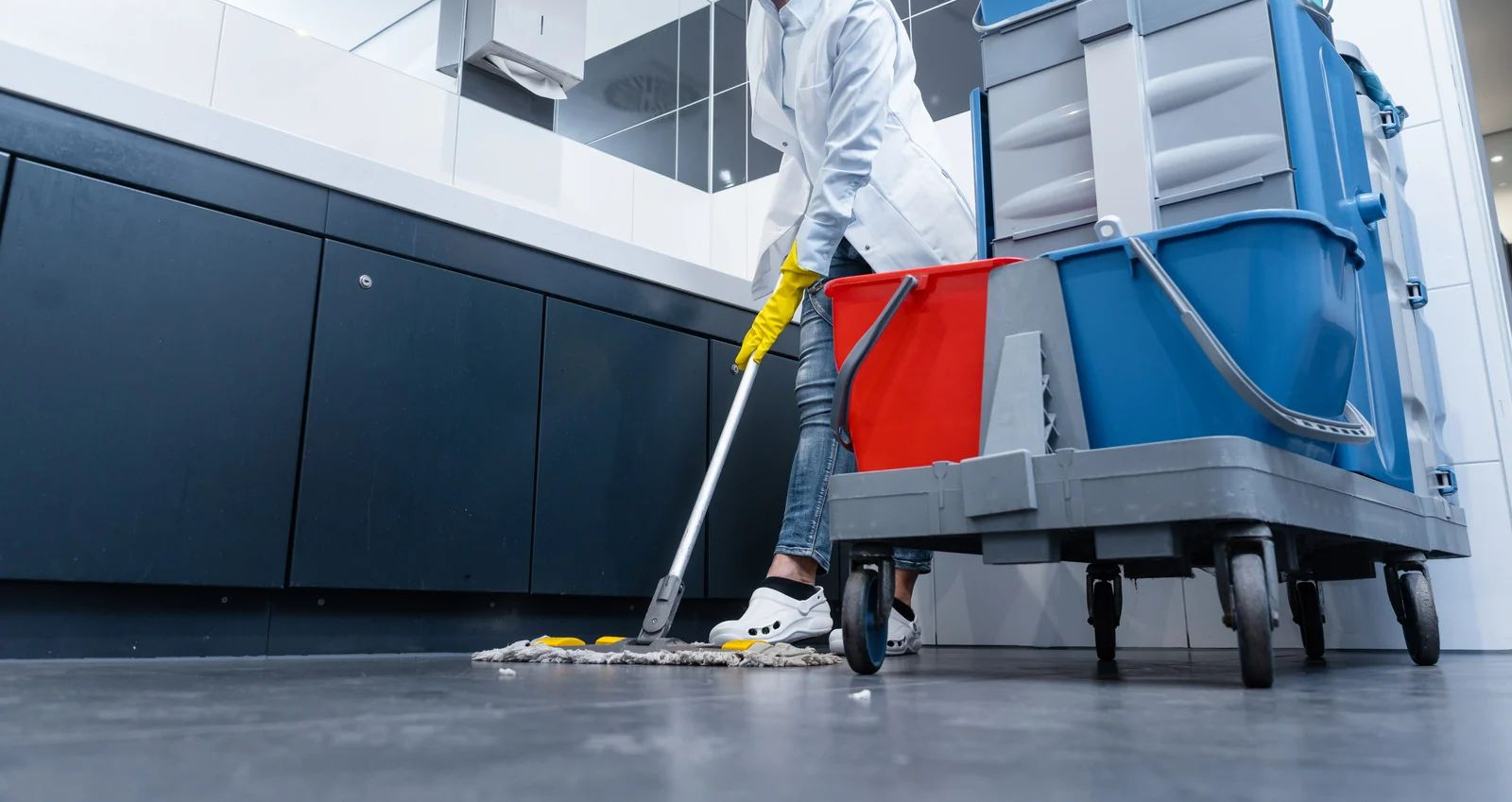
Routine mopping removes surface dirt but cannot repair worn floor finishes. Periodic scrubbing, burnishing, or refinishing restores the protective coating, improves appearance, reduces wear, and helps hard floors withstand constant foot traffic while remaining easier to maintain.
Detail work handles the edges and the heights
Dust and grime collect on baseboards, vents, light fixtures, corners, partitions, and beneath furniture where routine cleaning often cannot reach. Periodic detailed cleaning removes hidden buildup, improving appearance, indoor air quality, and overall workplace cleanliness.
Restroom descaling goes past daily sanitation
Daily restroom cleaning maintains hygiene, but mineral deposits, stained grout, and buildup around fixtures require periodic descaling. Deep restroom cleaning restores surfaces, improves appearance, and prevents stubborn deposits from becoming harder to remove over time.
How Often to Schedule the Deep Clean
Deep-cleaning frequency, like routine frequency, tracks foot traffic more than anything else. The clearest way to set it is surface by surface.
Carpet follows a traffic-tiered schedule
High-traffic carpets typically need deep cleaning every three to six months, medium-traffic areas every six to twelve months, and low-traffic spaces every twelve to eighteen months. Interim cleaning between extractions helps maintain appearance and extends carpet life.
Hard floors need periodic refinishing beyond routine mopping
Routine mopping keeps hard floors clean, but periodic scrubbing, recoating, burnishing, or refinishing restores the protective finish. High-traffic entrances and corridors generally require these services more often than lower-use areas to maintain durability and appearance.
A whole-office deep clean is usually scheduled quarterly or semiannually
Most offices benefit from a comprehensive deep cleaning two to four times each year. Higher-traffic facilities often require quarterly service, while lower-traffic workplaces may only need intensive cleaning twice annually to maintain a professional environment.
Certain situations call for a deep clean regardless of the schedule
Major client visits, office renovations, lease transitions, seasonal changes, or special events often justify scheduling a deep cleaning sooner. Addressing these occasions helps keep the workplace looking clean, organized, and ready for employees and visitors.
WARNING: Do not treat a deep clean as a substitute for interim maintenance, or vice versa. Two big extractions a year with no interim care in between will still leave high-traffic lanes looking gray for months at a stretch, and heavy interim cleaning will never remove the embedded soil that only restorative extraction reaches. The buildings that stay consistently presentable run both schedules together, not one instead of the other.
Why Minnesota Winters Make This Worse
Cold climate construction creates a dust problem that warmer regions never deal with. For much of the year, new builds and renovations here are sealed up tight against the cold, with windows shut and the heat running nonstop. That combination is the worst case for fine construction dust. There is no fresh air exchange to carry particles out, and the furnace circulates them through the building around the clock. Add the dry indoor air of a Minnesota winter, which keeps dust lighter and airborne longer, and a build finished in January holds its dust far longer than the same build finished in July. We also see grit and ice melt residue tracked in during winter work, which grinds into new flooring if it is not lifted properly. A clean that ignores the season will not hold the way it would in a milder climate.
Keeping a New Space Clean After the Build
Once a space is properly cleaned, keeping it that way is mostly about catching the dust that keeps releasing for weeks. New drywall, paint, and materials shed fine particles as they fully cure. For the first month, replace your HVAC filter every two to three weeks instead of the usual interval, because it loads up with construction fines fast. Wipe surfaces damp rather than dry so you trap dust instead of scattering it. Every few months, check the spots that get missed: the tops of cabinets, vent covers, light fixtures, and ledges. Expect a couple rounds of touch up cleaning across the first year as the last of the residue works its way out, especially through a full heating season when the system runs hardest.
Frequently Asked Questions
How often should a standard office be cleaned?
Most offices benefit from cleaning several times a week or daily, depending on employee count and visitor traffic. Restrooms, lobbies, and entrances usually require daily attention, while lower-traffic offices can often be cleaned less frequently.
What is the difference between routine cleaning and deep cleaning?
Routine cleaning handles daily tasks like trash removal, restroom sanitation, dusting, and vacuuming. Deep cleaning targets built-up dirt with services such as carpet extraction, floor restoration, detailed cleaning, and hard-to-reach areas on a scheduled basis.
How often does office carpet need a deep clean?
High-traffic office carpets typically need deep cleaning every three to six months, while lower-traffic areas can wait longer. Interim maintenance between deep cleanings helps extend carpet life and keeps the workplace looking consistently professional.
Does winter change how often an office should be cleaned?
Yes. Winter brings salt, slush, mud, and moisture into the building, increasing dirt and floor damage. Entrances, lobbies, carpets, and hard floors often require more frequent cleaning to maintain a safe, professional environment.
Can I just deep clean more often instead of scheduling routine cleaning?
No. Deep cleaning removes embedded dirt but cannot replace routine services like trash removal, restroom cleaning, and spill cleanup. Maintaining a clean office requires both regular maintenance and periodic deep cleaning working together.
How do I know if my current cleaning frequency is enough?
If carpets look worn, floors appear dull, dust returns quickly, restrooms develop odors, or visitors notice cleanliness issues, your current cleaning schedule may need adjustments to match building traffic and seasonal conditions.
Setting a Cadence That Holds Up All Year
The question of how often an office should be cleaned versus deep-cleaned does not have a single number, because it was never one schedule to begin with. Routine cleaning keeps the space presentable day to day, and deep cleaning resets the buildup that routine work is not designed to reach. Set the routine clock by traffic and headcount, put the periodic deep work on a traffic-tiered calendar, and build in the seasonal step-up so the winter tracked-in load never gets ahead of you. Run those two schedules together and your floors, restrooms, and common areas hold their appearance instead of looking tired a day after the crew leaves.
Request a walkthrough — A clean, consistent, professional-looking space starts with the right cadence, not just more hours, and the two-schedule approach only works when both layers are scoped to your building. Backed by 7
years of experience serving businesses in Coon Rapids, Minnesota, NVM Facility Services
will walk your floor, map your high-traffic and low-traffic zones, and build a tailored routine and deep-cleaning schedule that accounts for Twin Cities winters, salt and slush at your entries, carpet and hard-floor care, and your visitor traffic, with quality guaranteed across the metro. Reach out to schedule a walkthrough and get a cleaning plan matched to how your facility is actually used.