Why Is Post-Construction Cleaning Critical for New Builds and Renovations?
You walk through the finished space for the first time and everything looks done. Cabinets hung, paint cured, new flooring in place. Then you drag a finger across a window ledge and it comes up coated in fine gray powder. You wipe a counter and an hour later the same film is back. That powder is the part of construction nobody warns you about, and what you can see is a small fraction of what is actually there.
Construction dust behaves nothing like household dust. Drywall sanding alone throws off particles so fine they stay airborne for hours and settle into every seam, vent, and crevice in the building. After cleaning enough new builds and gut renovations, we can tell you the most important thing up front: the goal of a real post construction cleaning is not to make surfaces look clean, it is to remove the fine particulate before your heating system pulls it through the whole space. Skip that step and you will be chasing the same gray film for months.
What a Build Actually Leaves Behind
The mess left after construction is not one substance, it is layers of several. Drywall dust is the biggest offender. When walls are sanded smooth, the joint compound breaks down into a powder finer than flour, light enough to float and small enough to slip past a standard vacuum filter. Underneath that you have sawdust, silica from cut concrete and tile, adhesive residue, grout haze on new tile, paint overspray, and a film of debris on glass and fixtures. Each one needs a different approach. Grout haze smears if you hit it with the wrong cleaner. Cured adhesive has to be lifted, not scrubbed. Silica dust is fine enough to be a genuine respiratory concern and should never be swept dry, which only sends it back into the air you are breathing.
Why a Quick Cleanup Falls Short
Most people try to clean a new build the way they clean a house, and that is exactly where it goes wrong. The most common mistake is reaching for a regular household or shop vacuum. Construction dust passes straight through standard filters, so the vacuum grabs it at the nozzle and blows it right back out the exhaust, recoating everything you just wiped. The second mistake is dry wiping or dry sweeping. Dragging a dry cloth across a dusty surface scratches new finishes and lifts the particles back into the air, where they resettle within the hour. The third is doing it all in one pass. A surface wiped before the dust above it has settled will be dirty again by the time you finish the room.
WARNING: Never dry sweep or dry sand fine construction dust, especially after concrete, tile, or grout work. That dust can carry silica, and dry sweeping puts it into the air where it gets inhaled. Wet methods and proper filtration keep it down where it belongs.
The Part You Cannot See: Your Air and Ductwork
The dust you wipe off a counter is the easy part. The real problem is the dust you cannot see, because the finest particles never settle long enough to be wiped. They float, and the moment your furnace or air handler kicks on, that system pulls them into the return, through the filter, and back out every vent in the building. In a newly finished space, this is how a room you cleaned on Monday looks hazy again by Friday. We frequently find return vents and filters packed with drywall fines on jobs where the surfaces looked spotless. That is why a proper post construction cleaning treats vents, registers, and filters as part of the job, not an afterthought.
TIP: Before any cleaning starts, change or cover your HVAC filter and keep the system off during the heaviest dust removal. Running it pulls airborne particles straight into the ductwork, where they keep recirculating for weeks after the visible mess is gone.
How a Proper Post Construction Clean Is Done
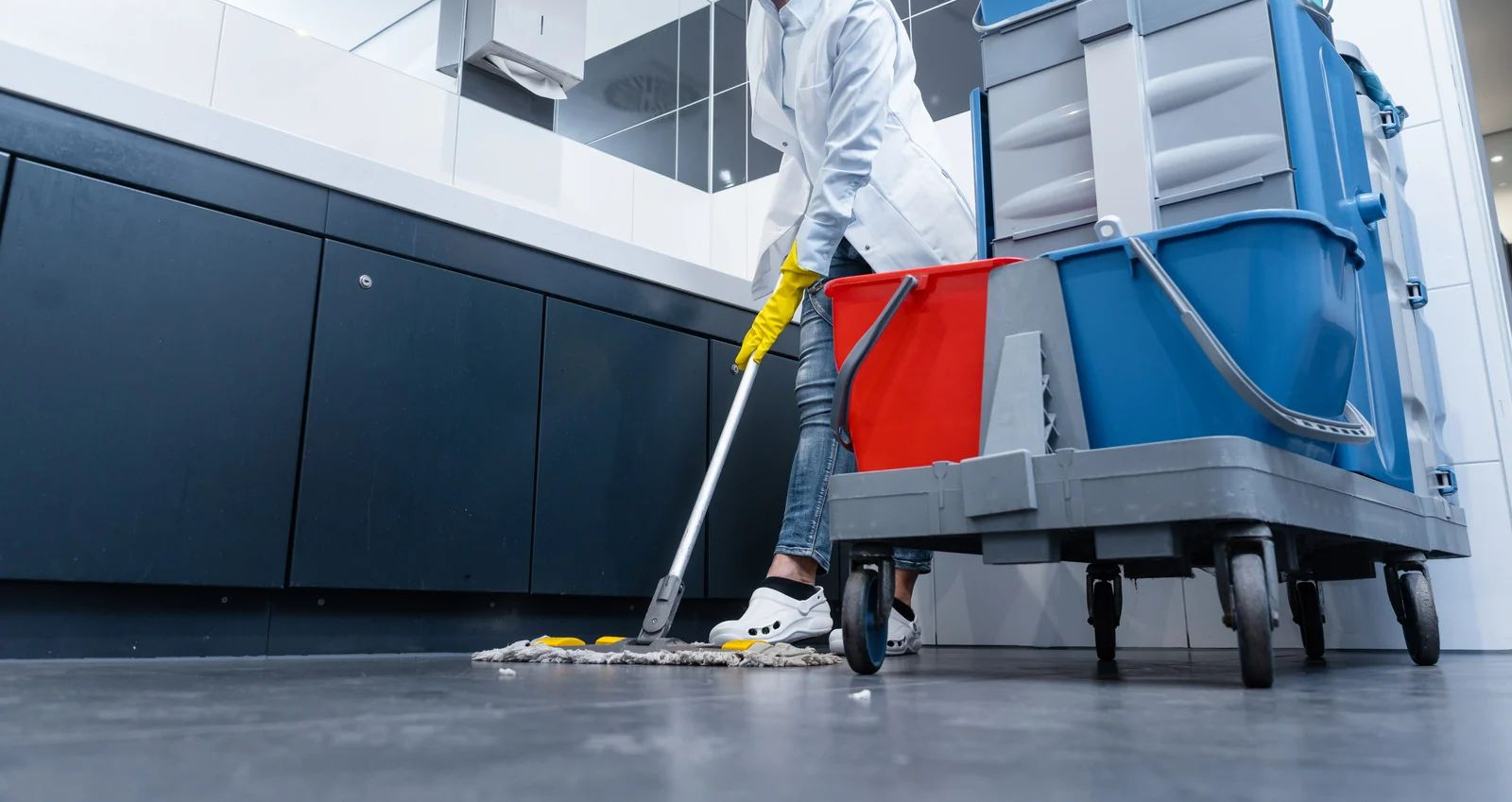
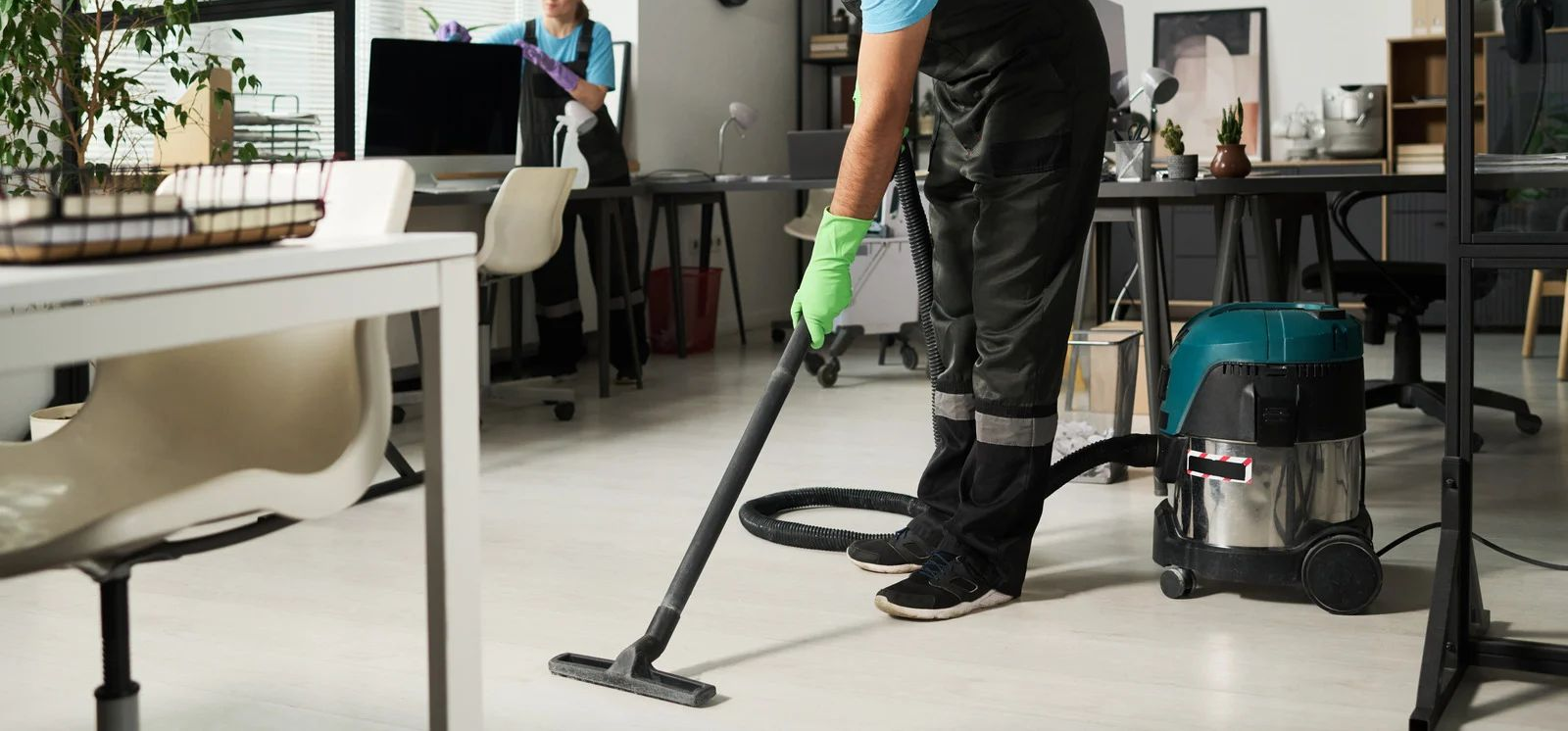
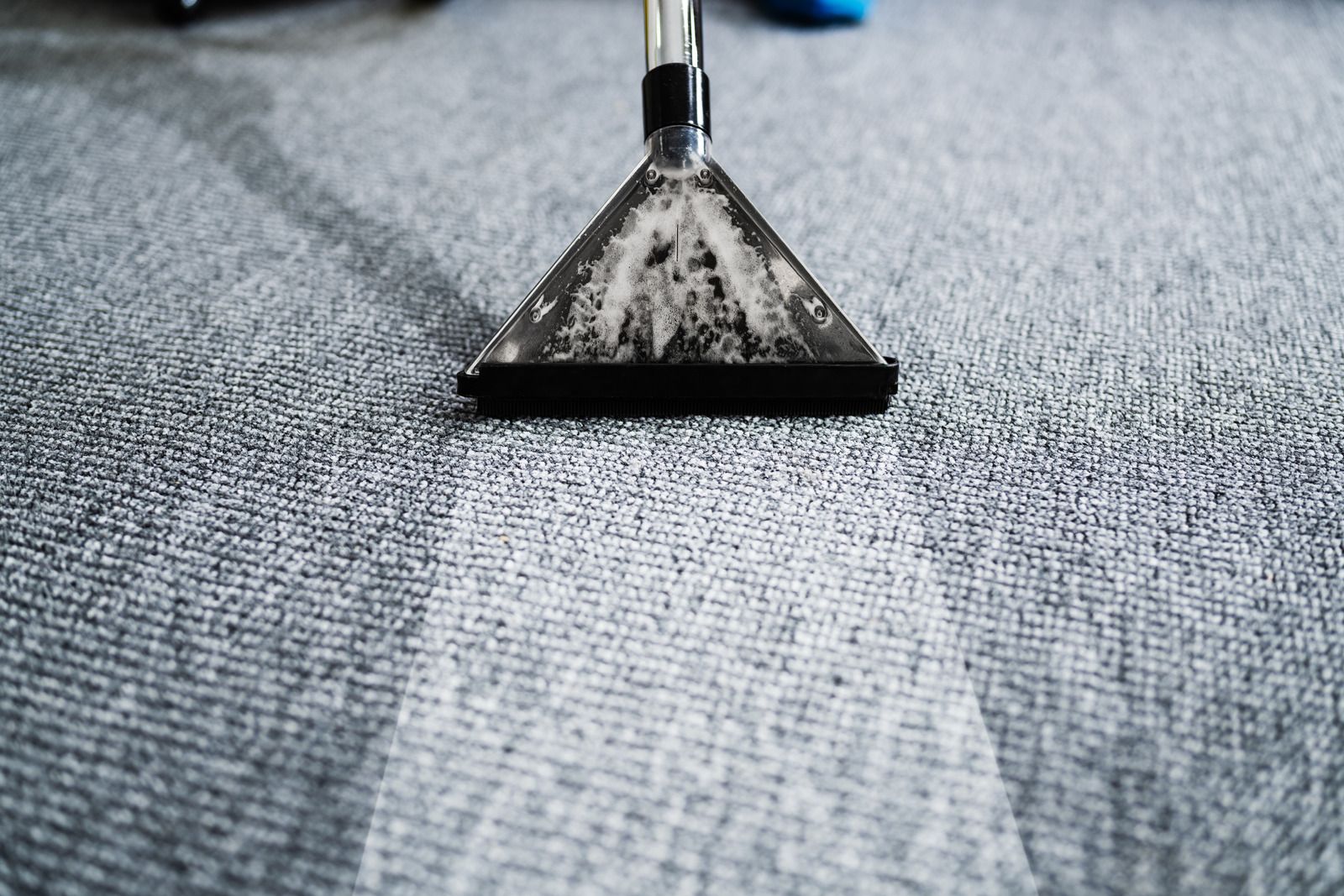
A professional clean works in phases, because doing it all at once does not hold. The first phase is the rough clean, once the major trades are finished. We clear debris, leftover materials, stickers, and the heaviest dust, and knock down everything clinging to ceilings, ledges, and the tops of door frames. The second phase is the detail clean, where the fine work happens: HEPA filtered vacuuming from the top down, damp wiping with the correct cleaner for each finish, grout haze removal, polishing glass and fixtures, and cleaning inside cabinets and drawers where dust hides. The final phase is the touch up clean, done right before the space is used, because dust still airborne during the detail clean will have settled by then. Working in this order is the difference between a space that stays clean and one that needs redoing in a week.
Why Minnesota Winters Make This Worse
Cold climate construction creates a dust problem that warmer regions never deal with. For much of the year, new builds and renovations here are sealed up tight against the cold, with windows shut and the heat running nonstop. That combination is the worst case for fine construction dust. There is no fresh air exchange to carry particles out, and the furnace circulates them through the building around the clock. Add the dry indoor air of a Minnesota winter, which keeps dust lighter and airborne longer, and a build finished in January holds its dust far longer than the same build finished in July. We also see grit and ice melt residue tracked in during winter work, which grinds into new flooring if it is not lifted properly. A clean that ignores the season will not hold the way it would in a milder climate.
Keeping a New Space Clean After the Build
Once a space is properly cleaned, keeping it that way is mostly about catching the dust that keeps releasing for weeks. New drywall, paint, and materials shed fine particles as they fully cure. For the first month, replace your HVAC filter every two to three weeks instead of the usual interval, because it loads up with construction fines fast. Wipe surfaces damp rather than dry so you trap dust instead of scattering it. Every few months, check the spots that get missed: the tops of cabinets, vent covers, light fixtures, and ledges. Expect a couple rounds of touch up cleaning across the first year as the last of the residue works its way out, especially through a full heating season when the system runs hardest.
Frequently Asked Questions
How long after construction should cleaning happen?
Schedule the detail clean once every major trade finishes and the heaviest dust settles, usually a day or two after final sanding. Then plan a touch up right before the space is used, since the fine particles still airborne during earlier cleaning will have settled across all surfaces by then.
Is construction dust actually dangerous to breathe?
Yes. Fine dust from drywall, concrete, and tile can carry silica, a real respiratory concern when inhaled over time. Never dry sweep it across a new space. Wet methods and HEPA filtration keep these particles out of the air, which is exactly why the right equipment matters so much here.
Does Minnesota weather affect post construction cleaning?
It does. Sealed winter buildings with the heat running constantly trap fine dust and recirculate it through the ductwork, while dry indoor air keeps particles airborne far longer. A build finished in the depth of winter holds its dust much longer than the same one finished during the summer months.
Can I clean a new build myself?
You can handle light dusting and surface wiping, but a standard vacuum pushes fine dust back into the air rather than trapping it. Removing grout haze, cleaning the ductwork, and lifting cured residue without damaging your new finishes is where a professional method really makes all the difference right here.
Do small renovations need professional cleaning too?
Even a single remodeled room releases drywall and silica dust that spreads through the whole building once the heat kicks on. The smaller the project, the more people assume a quick wipe will be enough, which is exactly why that hidden construction dust keeps resurfacing across the space for weeks.
Thorough Post Construction Cleaning Done Right The First Time
The core principle is simple-
post-construction cleaning
is about removing the fine particulate you cannot see, not just the debris you can, before your heating system spreads it through the entire space. That work matters more in our climate than almost anywhere else, because sealed buildings and constant winter heat give construction dust nowhere to go but back into your air. With 7
years of experience, NVM Facility Services understands the detailed cleaning required to prepare newly built and renovated spaces for occupancy. When your new build or renovation is ready for a clean that actually holds, NVM Facility Services
handles the full process from rough clean to final touch up across Coon Rapids, Minnesota and the surrounding communities of Blaine, Andover, Anoka, Ham Lake, and Fridley. Reach out when your space is ready, and we will make sure the last thing between you and a finished build is not a layer of dust you keep chasing.